Concrete Coloring vs. Concrete Tinting: Understanding the Differences
People searching for concrete coloring or concrete tinting often want to enhance or change the appearance of their concrete surfaces, and local contractors can provide expert solutions to achieve the desired look.
If you’re exploring options to enhance the appearance of your concrete surfaces, understanding the differences between concrete coloring and concrete tinting is a helpful first step. Both techniques offer ways to add color and visual interest, but they serve different purposes and achieve distinct effects. Property owners in the area often consider these options when updating driveways, patios, or walkways to boost curb appeal or coordinate with other design elements. By learning more about how each method works, you can make informed decisions and connect with local contractors who specialize in these finishes, ensuring the results match your aesthetic goals.
Continuing to read can provide clarity on which approach aligns best with your project needs. Concrete coloring generally involves adding pigments to the surface for vibrant, opaque hues, while concrete tinting typically uses transparent stains to highlight the natural texture of the concrete. Both services are offered by experienced local service providers who understand how to apply these techniques effectively. Whether aiming for a bold new look or a subtle enhancement, understanding the key differences can help property owners select the right solution and find the right local contractor to bring their vision to life.
- Concrete coloring services are ideal for property owners seeking to add vibrant or customized hues to existing concrete surfaces, with local contractors applying specialized dyes or stains to achieve the desired look.
- Concrete tinting is often chosen when a subtle, consistent color enhancement is needed, and local service providers typically use tinting agents that penetrate the surface for a durable finish.
- People considering concrete coloring vs. concrete tinting may consult local pros to determine which method best suits their aesthetic goals and surface conditions.
- For decorative concrete projects that require uniform color or intricate designs, local contractors can recommend the most suitable coloring or tinting options based on the project scope.
- When seeking to alter the appearance of concrete with minimal surface disruption, local pros can provide expert advice on whether coloring or tinting will provide the best long-term results.
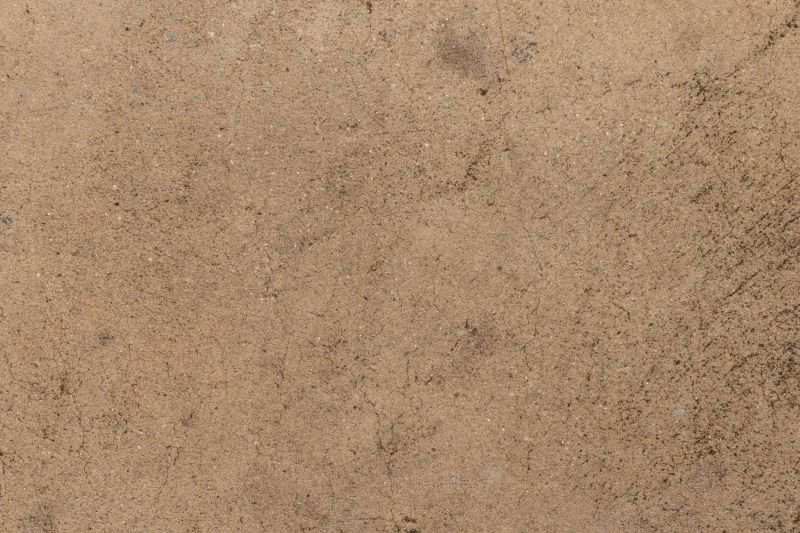
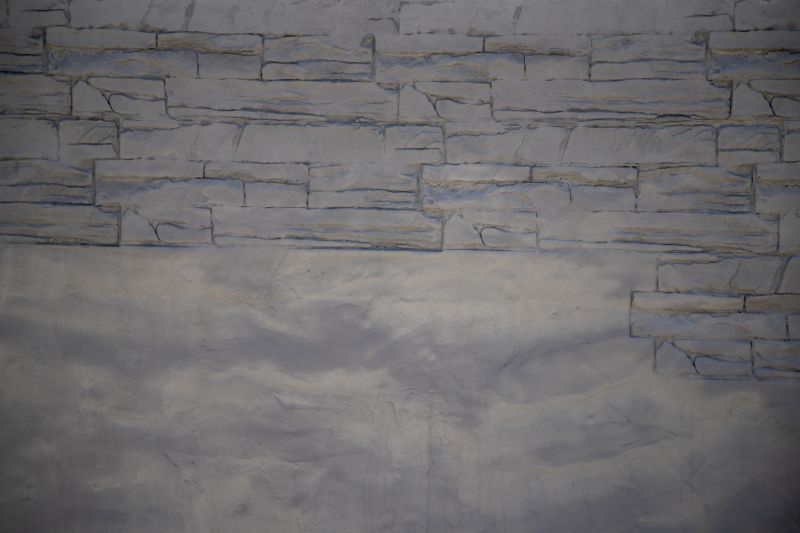

When homeowners search for information on concrete coloring vs. concrete tinting: understanding the differences, they are usually trying to determine the best way to enhance the appearance of their existing or new concrete surfaces. This topic often relates to projects such as upgrading driveways, patios, walkways, or interior floors that require a decorative touch. Many property owners want to achieve a specific aesthetic, whether that involves adding vibrant hues or subtle color variations, and are exploring options that can improve curb appeal or interior design. Understanding the distinctions helps in choosing the right approach, especially when considering how the finished surface will look and how durable the color treatment will be over time.
This comparison is particularly relevant for property owners planning renovations or new installations that involve concrete surfaces. Common problems addressed include dull, plain concrete that feels uninviting or lacks visual interest. Homeowners often seek solutions that are long-lasting, cost-effective, and capable of matching their overall design scheme. Whether aiming to create a modern, vibrant look or a more subdued, natural appearance, knowing the differences between coloring and tinting can guide decisions about which method will best meet these goals. Local service providers that specialize in concrete coloring and tinting can help assess the specific needs of each project and recommend the most suitable options.
The types of properties that typically come up in this context include residential homes, commercial buildings, and public spaces. Residential properties often involve driveways, patios, or interior floors where homeowners want to add personality or match existing decor. Commercial properties might focus on parking lots, walkways, or storefronts that require durable, attractive finishes to draw attention and improve safety. Public spaces, such as parks or community centers, may also utilize these decorative concrete techniques to enhance aesthetic appeal and create inviting environments. Local contractors experienced in concrete coloring and tinting understand the unique requirements of each property type and can tailor their services accordingly.
Understanding the differences between concrete coloring and concrete tinting is essential for property owners considering decorative concrete projects. Concrete coloring generally refers to applying color through surface-applied stains, dyes, or overlays that can produce a wide range of hues and effects. Concrete tinting, on the other hand, often involves adding colorants directly to the concrete mix before pouring or during the finishing process, resulting in a more uniform and integrated color throughout the surface. Local pros specializing in these services can help determine which method aligns best with a property's design goals, durability expectations, and budget. Connecting with experienced service providers ensures that the chosen decorative technique will enhance the property's appearance and meet long-term performance needs.
Stamped concrete projects - These projects often involve color application techniques similar to concrete coloring and tinting to enhance decorative patterns and textures.
Concrete resurfacing and overlays - Applying color to existing concrete surfaces requires skills related to coloring and tinting to achieve uniform and appealing finishes.
Interior concrete flooring - Achieving consistent color effects in indoor spaces involves expertise in concrete tinting and coloring methods used by local contractors.
Exterior concrete patios and walkways - Enhancing outdoor surfaces with color requires knowledge of the differences between coloring and tinting to ensure durability and aesthetic appeal.
Concrete staining projects - Staining shares techniques with concrete tinting, making it relevant for service providers skilled in achieving specific color effects.
Decorative concrete designs - Creating unique patterns and color schemes involves planning and skill similar to those used in concrete coloring and tinting services.
When comparing service providers for concrete coloring versus concrete tinting, it is important to consider their experience with similar projects. Homeowners should inquire about the types of finishes the contractors have worked on and whether they have handled projects that align with the desired aesthetic or scope. An experienced local contractor will be familiar with the differences between coloring and tinting techniques, ensuring they can recommend the most suitable approach for the specific application, whether it’s decorative accents, uniform color, or surface enhancement. Verifying a contractor’s background with past projects can help ensure they understand the nuances of each method and can deliver results that meet expectations.
Clear written expectations are essential when evaluating local contractors for concrete coloring or tinting services. Homeowners should seek detailed descriptions of the process, the types of materials used, and the expected outcome. A reputable service provider will be transparent about what the project involves, including surface preparation, application techniques, and drying times. Having a written outline helps prevent misunderstandings and provides a reference point for assessing whether the contractor’s approach aligns with the homeowner’s vision. This clarity supports informed decision-making and sets a foundation for a smooth project experience.
Reputable references and good communication are key factors when choosing local pros for concrete coloring or tinting. Homeowners should ask for references or examples of completed projects similar in scope and style. This feedback can provide insights into the contractor’s reliability, craftsmanship, and professionalism. Additionally, effective communication throughout the process-such as prompt responses to questions, willingness to discuss options, and transparency about procedures-helps ensure the project progresses smoothly. Service providers who prioritize clear, consistent communication and have a track record of satisfied clients are more likely to deliver results that align with the homeowner’s expectations.
Property owners often search for concrete coloring vs. concrete tinting: understanding the differences when they are planning practical projects around their homes and businesses. Local pros provide Concrete Coloring or Concrete Tinting services for everyday jobs and straightforward project options.

Understanding the differences between concrete coloring and concrete tinting can help property owners make informed decisions for enhancing their outdoor spaces. Concrete coloring typically involves applying a solid, uniform color to the surface, which can be ideal for those seeking a consistent and vibrant look across driveways, patios, or walkways. On the other hand, concrete tinting often involves adding subtle hues or shades that blend naturally with the existing concrete, providing a more understated or customized appearance. Local contractors can guide property owners through the options that best suit their aesthetic preferences and project goals, ensuring the chosen method complements the surrounding environment.
Many property owners in the area look up this topic when planning to refresh or customize their concrete surfaces. Whether aiming for a bold, colorful statement or a more muted, natural tone, understanding the distinctions helps in selecting the right service. Local service providers specializing in concrete coloring and tinting can offer advice on the durability, maintenance, and visual impact of each option. Connecting with experienced contractors allows property owners to explore different styles and finishes, ensuring the final result aligns with their vision and enhances the property's overall appearance.
What is the main difference between concrete coloring and concrete tinting? Concrete coloring involves adding opaque or semi-opaque pigments to achieve vibrant and consistent color, while concrete tinting uses translucent stains to enhance or alter the existing concrete color with a more natural, subtle appearance.
Can concrete tinting be used to change the color of existing concrete surfaces? Yes, concrete tinting is often applied to existing concrete to deepen or modify its color, providing a more natural and variegated look compared to the more uniform results of concrete coloring.
Are there durability differences between concrete coloring and tinting? Generally, both methods can be durable, but concrete coloring tends to be more resistant to fading because of the opaque pigments used, whereas tinting may require sealing to maintain its appearance over time.
Which option offers more color options: coloring or tinting? Concrete coloring typically provides a wider range of vibrant and consistent colors, while tinting offers more subdued, natural hues that enhance the existing concrete tone.
How do local service providers determine whether to use coloring or tinting for a project? They assess factors such as desired color intensity, existing concrete condition, and the preferred aesthetic to recommend the most suitable option for each specific project.
Choosing the Right Finish - Property owners can explore whether concrete coloring or tinting best enhances their driveway or patio by consulting local contractors with experience in both options.
Customizing Color Options - Homeowners interested in specific hues or patterns can work with local pros to select and apply coloring or tinting techniques that match their aesthetic preferences.
Enhancing Curb Appeal - Those looking to improve the visual appeal of outdoor spaces can consider how concrete coloring or tinting can add vibrancy and style, with guidance from experienced service providers.
Long-Term Durability - Property owners seeking a durable finish that resists wear and weather can discuss with local contractors which method-coloring or tinting-offers the best longevity for their project.
If you are thinking about concrete coloring vs. concrete tinting: understanding the differences for a property, this guide is meant to help you understand this topic, the typical project types, and how different options might fit your plans.
When you are ready, you can use the quote form on this page to share a few details about your project. From there, local pros can review the basics and follow up with options that match what you have in mind.